
Understanding the Fundamentals of Gambling
Gambling, at its core, involves staking something of value on an event with an uncertain outcome, with the primary intention of winning more than what was staked. This encompasses a wide array of activities, from traditional casino games and lotteries to the more contemporary realm of online betting, and it’s interesting to consider how azijski navijači i digitalne tehnologije are shaping these experiences. The thrill often comes from the inherent risk and the possibility of a significant reward.
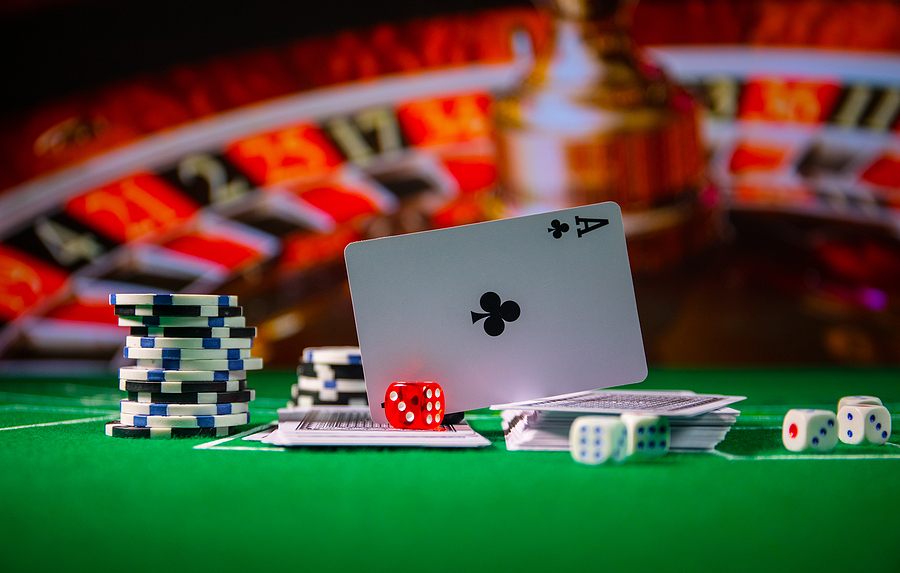
It’s crucial for beginners to grasp that gambling is not a guaranteed method of income. Rather, it should be approached as a form of entertainment with the potential for financial gain or loss. Responsible gambling practices are paramount to ensure that the experience remains enjoyable and does not lead to detrimental financial or personal consequences. Understanding the odds and the house edge is a fundamental step in this process.
Exploring Different Gambling Avenues
The landscape of gambling offers diverse options catering to various preferences. Traditional forms include card games like poker and blackjack, roulette, and slot machines found in physical casinos. Online platforms have expanded this significantly, introducing virtual versions of these games, alongside sports betting, fantasy sports, and innovative new formats.
Sports betting, specifically, has gained immense popularity. It involves predicting the outcome of sporting events and placing wagers on those predictions. This can range from simply picking a winner to more complex bets on specific game statistics or player performances. The accessibility through online interfaces has made it a convenient option for many.
Responsible Gambling Practices and Risk Management
Engaging in any form of gambling requires a strong commitment to responsible practices. This begins with setting clear limits on both time and money that one is willing to spend. It is advisable to view any funds wagered as entertainment expenses, not as investments. Never chase losses, and always be aware of the potential for addiction.
Effective risk management in gambling involves understanding that losing is an inherent part of the process. Strategies such as bankroll management, where a specific budget is allocated for gambling and strictly adhered to, can help mitigate significant financial damage. Educating oneself about the rules and probabilities of the games or bets being placed is also a vital component of responsible engagement.
The Psychology Behind Gambling
Understanding the psychological aspects of gambling is essential for both enjoyment and safety. The allure of quick riches, the excitement of uncertainty, and the social dynamics associated with gambling can be powerful motivators. However, these same factors can also contribute to problematic gambling behaviors if not managed with awareness and self-control.
The brain’s reward system plays a significant role in gambling, releasing dopamine during winning streaks, which can create a powerful urge to continue playing. Recognizing these psychological triggers and developing coping mechanisms is a crucial part of maintaining a healthy relationship with gambling activities. Seeking professional help is always an option if one feels their gambling is becoming uncontrollable.

MZSS.hr and Health-Conscious Engagement with Gambling
While MZSS.hr primarily focuses on modern medicine and health, it’s important to acknowledge that gambling, when engaged in responsibly, can be viewed through a lens of well-being. This means understanding the potential risks and making informed decisions that prioritize mental and financial health. Resources on MZSS.hr that discuss stress management, cognitive health, and lifestyle choices can indirectly support individuals in maintaining a balanced approach to activities like gambling.
For those who choose to engage in gambling, including sports betting opportunities, it’s vital to approach it as a recreational activity. MZSS.hr advocates for a holistic approach to health, which includes making conscious choices about leisure pursuits. This means being aware of the psychological impacts, practicing self-discipline, and ensuring that such activities do not interfere with overall well-being, physical health, or essential daily responsibilities.